A really common question that every dog trainer that works with dogs with behavioral issues will get is: "Why is my dog so much better off leash than they are on leash when it comes to seeing other dogs, yard ornaments, people in hats with sunglasses, whatever it is that causes them to react and have their attention?"
What reactivity really is
The answer is actually pretty simple when we break it down, because reactivity itself is simply that the dog notices something and has a reaction to it. That reaction could just look like the dog noticing. Other times, it's the full-on meltdown, the temper tantrum, the spinning, the barking, the lunging, the growling, any of the things that a reactive dog may do.
What we're really seeing is a dog that is frustrated and conflicting, because it's completely normal for dogs and humans to be in some state of conflict. It doesn't mean that there's confrontation or animosity, but that we're two different beings with different ways of perceiving the world. Our instincts inform our thoughts and our actions in different ways. As a result, the human is typically trying to understand and work with things in a human way, which doesn't really work with a dog's perception.
Why the leash makes it worse
A reactive dog is going to feel the frustration as well as the conflict of a human that isn't understanding them, but also that they are blocked from doing what they want or feel like they need to do by the leash, or even the fence or a window (any barrier). A leash prevents a dog from being able to do what it wants or needs to do.
Flight, fight, and freeze
A dog that's feeling some degree of insecurity or fear may want to get away from the trigger, and if they feel like they can't, then the only option that they have in most cases is going to be to make a big display. We've got flight, fight, and freeze. Most dogs won't freeze. If they prefer to escape, the flight portion, then they know that they can't. They've only got 6 feet to move, and a lot of dogs have a hard time translating their ability to move, even within the 6 feet in that setting, to something that they actually can do. They won't take that opportunity.
However, we also have dogs that are just socially frustrated. They want to get to the trigger. They want to get to that other dog because they want to say hi. They want to get to the person because they like greeting and interacting with people, and now the leash is telling them they can't go.
What helps
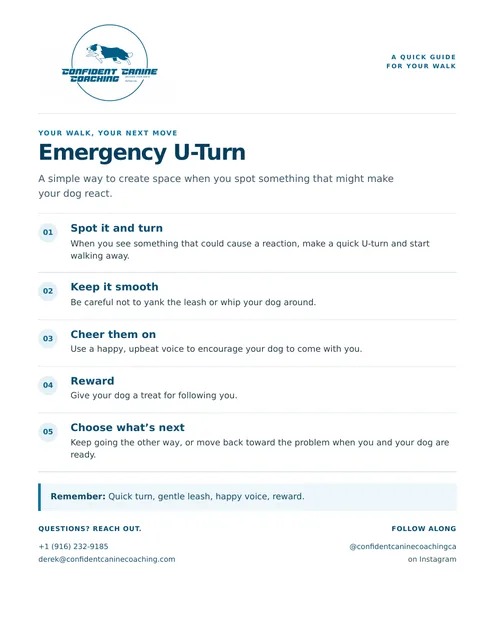
If you have a dog that is better off leash, it's because they are unencumbered. They're allowed to move in the way that they feel like they want or need to. The solution is often quite simple. It's not always all that easy, but a bird's-eye view is that we do want to get a little bit more order in the house. We want to develop a better interactive way of working with our dogs, and we also want to show them a way out, but also a way back to what creates the most value in their life, which should be us.
Pretty simple, not always easy, but when we understand why the dog is feeling the way that they are, it makes a solution much easier to plan, and then all we have to do is execute on the plan.